Evaluate the implications of these trends for investment and corporate decision-making.
Consider the value of structured research from SeventhBiz for tailored insights.
The rapid expansion of AI data centers is reshaping the tech landscape, leading to unprecedented demands on cooling infrastructure. This article will delve into the critical choices businesses face in optimizing their cooling systems, the implications of power density, and strategic insights for investors and corporate leaders.
Overview of the AI Data Center Market
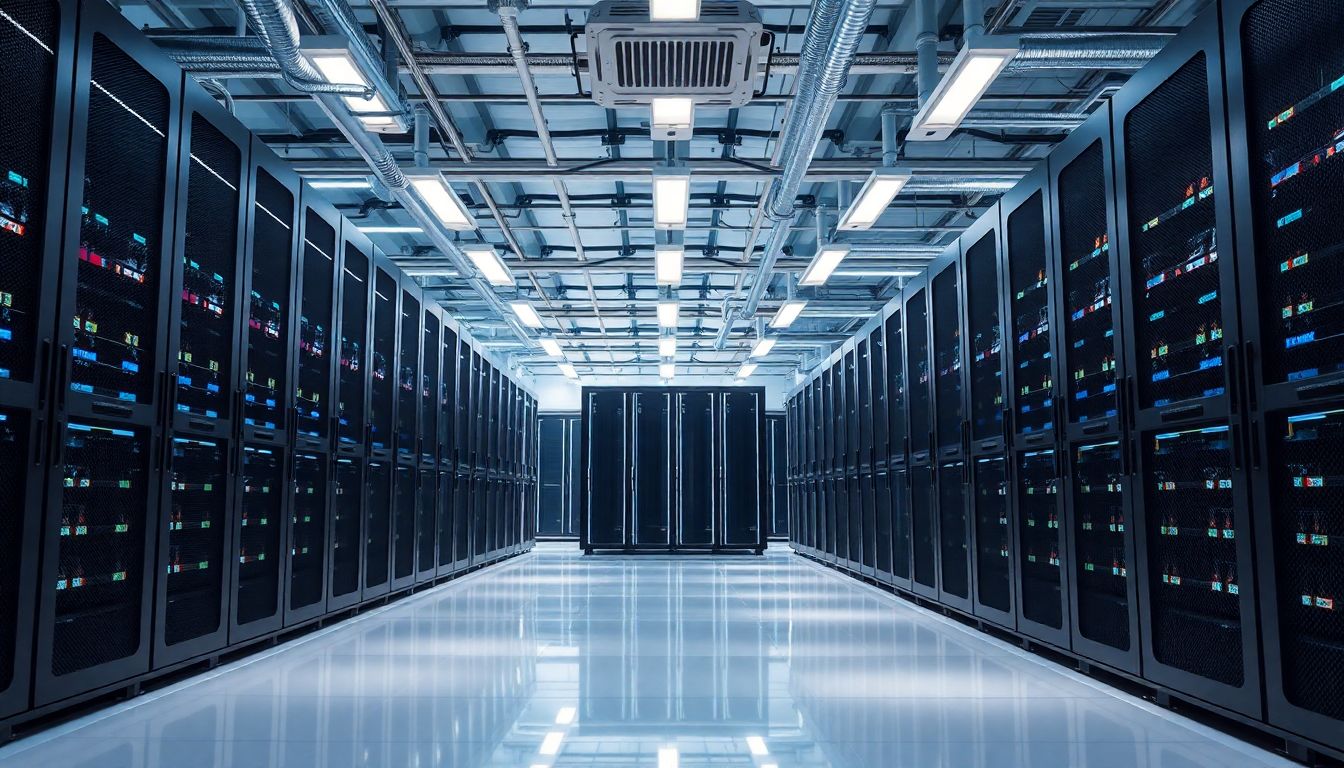
The AI data center market has experienced unprecedented growth, driven primarily by rising demand for AI applications and the associated computational power required to support them. In 2022, the global AI data center market reached an estimated value of $7 billion, with projections suggesting it could exceed $38 billion by 2027, reflecting a compound annual growth rate (CAGR) of approximately 32%. This surge illustrates the critical intersection of AI innovation and data center capabilities, highlighting the importance of understanding current market dynamics.
Overview of the AI Data Center Market
Key players in this sector include hyperscalers like Amazon Web Services, Google Cloud, and Microsoft Azure. These companies are rapidly expanding their capabilities, leveraging advanced technologies like machine learning, high-density servers, and edge computing. They also depend heavily on efficient power infrastructure to support their operations, especially given the substantial electricity demand generated by AI workloads. The direct impact of AI on grid stress and energy consumption can be significant, making energy sourcing and utility relationships paramount for operators; insights can be drawn from the Data Center Power Play report.
Cooling technology is another critical component of the AI data center landscape, especially as thermal density issues become more pronounced. Liquid cooling and immersion cooling are gaining traction as viable alternatives to traditional air cooling, addressing heat dissipation challenges intensified by AI processors. Investors should assess these cooling solutions carefully, as outlined in the Data Center Cooling Crunch report. Understanding these technologies can inform risk assessments related to operational efficiency and cost management.
Furthermore, the construction of AI data centers poses unique challenges. Modular builds are increasingly favored for their speed and flexibility, allowing operators to expand capacity in response to market demands. Engaging with the insights from the Construction Layer of the AI Data Center Boom report can aid investors in navigating supply chain constraints and project timelines associated with new developments.
In summary, the robust growth of the AI data center market necessitates a comprehensive understanding of not only technological advancements but also the associated risks and investment dynamics. Armed with this knowledge, stakeholders can make informed decisions regarding asset acquisition, operational strategy, and competitive positioning.
Overview of the AI Data Center Market
The AI data center market has experienced unprecedented growth, driven primarily by rising demand for AI applications and the associated computational power required to support them. In 2022, the global AI data center market reached an estimated value of $7 billion, with projections suggesting it could exceed $38 billion by 2027, reflecting a compound annual growth rate (CAGR) of approximately 32%. This surge illustrates the critical intersection of AI innovation and data center capabilities, highlighting the importance of understanding current market dynamics.
Key players in this sector include hyperscalers like Amazon Web Services, Google Cloud, and Microsoft Azure. These companies are rapidly expanding their capabilities, leveraging advanced technologies like machine learning, high-density servers, and edge computing. They also depend heavily on efficient power infrastructure to support their operations, especially given the substantial electricity demand generated by AI workloads. The direct impact of AI on grid stress and energy consumption can be significant, making energy sourcing and utility relationships paramount for operators; insights can be drawn from the Data Center Power Play report.
Cooling technology is another critical component of the AI data center landscape, especially as thermal density issues become more pronounced. Liquid cooling and immersion cooling are gaining traction as viable alternatives to traditional air cooling, addressing heat dissipation challenges intensified by AI processors. Investors should assess these cooling solutions carefully, as outlined in the Data Center Cooling Crunch report. Understanding these technologies can inform risk assessments related to operational efficiency and cost management.
Furthermore, the construction of AI data centers poses unique challenges. Modular builds are increasingly favored for their speed and flexibility, allowing operators to expand capacity in response to market demands. Engaging with the insights from the Construction Layer of the AI Data Center Boom report can aid investors in navigating supply chain constraints and project timelines associated with new developments.
In summary, the robust growth of the AI data center market necessitates a comprehensive understanding of not only technological advancements but also the associated risks and investment dynamics. Armed with this knowledge, stakeholders can make informed decisions regarding asset acquisition, operational strategy, and competitive positioning.
Market Dynamics and Trends in Cooling Infrastructure
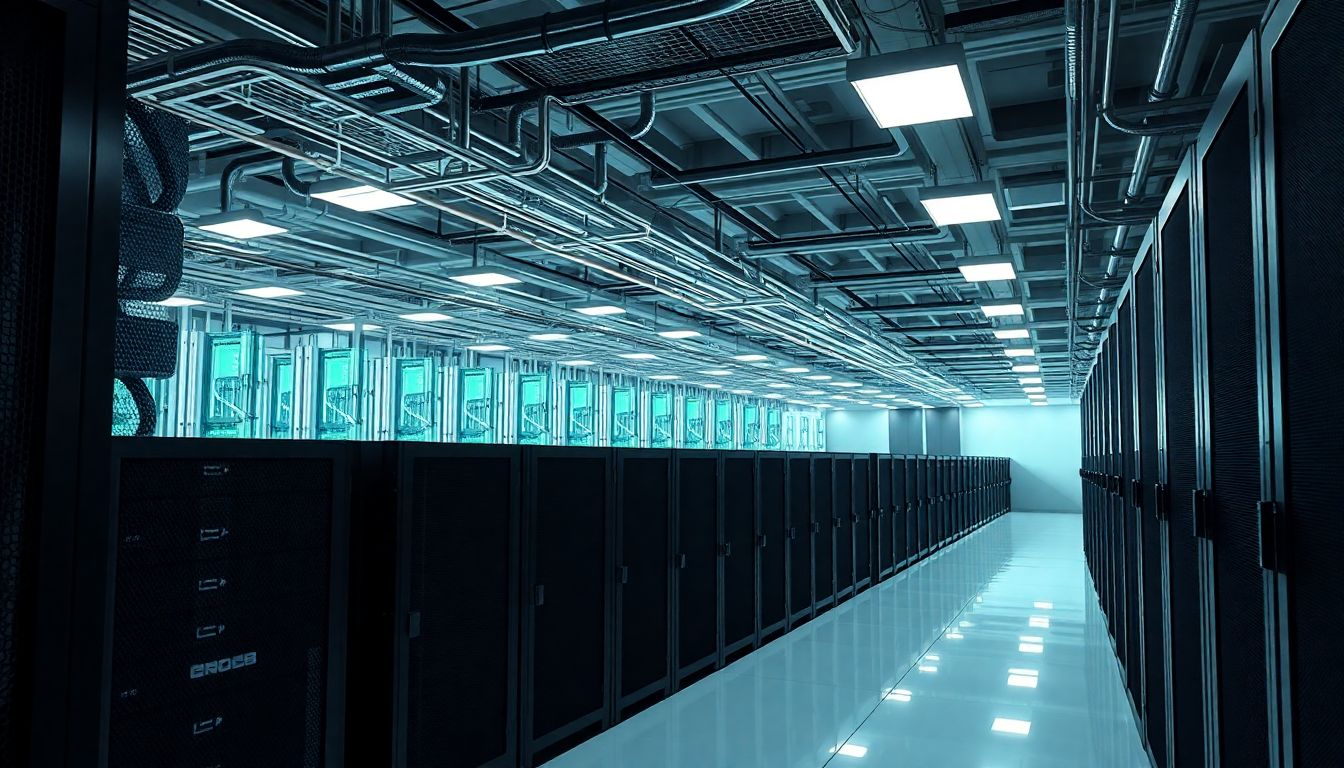
The cooling infrastructure landscape is evolving rapidly within the AI data center market. AI applications drive unprecedented demand for data center capacity, leading to increased challenges in thermal management. Recent data indicate that power density in AI-driven environments is surging, with estimates showing densities exceeding 30 kW per rack in some cases. Consequently, traditional air cooling methods struggle to maintain optimal operating temperatures, pushing operators to explore efficient alternatives.
liquid cooling technologies are gaining traction due to their ability to handle higher thermal loads more effectively. Systems utilizing single-phase or two-phase liquid cooling can reduce reliance on air cooling, which is often less efficient in high-density setups. Furthermore, immersion cooling systems are emerging as leading solutions, where hardware is submerged in a thermally conductive liquid. This innovation not only mitigates heat but also minimizes energy consumption associated with cooling—a critical consideration for operators concerned about sustainability and operational costs. For instance, companies like Microsoft and Google have successfully deployed immersion cooling in their latest AI data centers, significantly enhancing their performance metrics.
The implications for investment strategy are clear. As AI data centers continue to push the limits of power density, investors must engage with the latest trends in cooling technologies to understand their potential impacts on operational efficiency and costs. Engaging with tools such as the Data Center Cooling Crunch report is crucial for assessing these advanced cooling methods and their role in reducing the financial risk associated with thermal management.
Additionally, the absence of robust cooling solutions could lead to performance bottlenecks and increased downtime, which investors must evaluate during due diligence processes. Identifying data centers integrating innovative cooling technologies provides strategic opportunities to align with forward-thinking operational models. This shift not only enhances asset performance but could also influence future lease pricing and overall asset valuations.
Leveraging Structured Research for Competitive Insights
To navigate the complexities of the AI data center market, decision-makers must leverage structured research that provides nuanced insights. Tailored research enables investors to identify emerging trends and positions them strategically within a competitive landscape. For example, understanding AI-driven demand patterns helps assess the viability of hyperscale, edge, and colocation facilities.
Structured research can significantly influence investment strategies in the AI data center sector. For instance, insights into power infrastructure are critical, especially concerning Data Center Power Play report. This report illuminates how AI applications increase electricity demand and stress on the electrical grid. Investors who grasp these dynamics can proactively negotiate power purchase agreements (PPAs) and foster strong relationships with utility providers, mitigating risks associated with grid constraints.
Furthermore, cooling technologies play a pivotal role in maintaining operational efficiency. The Data Center Cooling Crunch report offers crucial data on the thermal challenges posed by high-density AI workloads. Decision-makers can evaluate whether to invest in liquid cooling or immersion cooling systems based on specific operational demands, ultimately impacting their bottom line.
Another area where structured research creates value is in construction timelines and labor availability. The pace of development must align with market demand. Insights from the Construction Layer of the AI Data Center Boom report can help industry leaders forecast build timelines and identify potential bottlenecks in the supply chain, enhancing overall project feasibility.
In summary, utilizing structured research not only demystifies the AI data centers’ market dynamics but also empowers decision-makers to engage in data-driven strategies that optimize investments and reduce risks.
As the AI data center market evolves, understanding cooling infrastructure is crucial for strategic investment and operational efficiency. For decision-makers seeking tailored research insights, SeventhBiz offers in-depth analyses that can inform your next steps in this dynamic field.
Frequently Asked Questions
What are the main cooling methods used in AI data centers?
Common methods include air cooling, liquid cooling, and immersion cooling, each with its advantages based on power density requirements.
How does power density impact cooling infrastructure decisions?
Higher power density increases heat generation, necessitating more efficient cooling methods to maintain optimal performance.
What trends are shaping the future of AI data centers?
Key trends include the integration of AI in facility management, energy efficiency initiatives, and the shift towards more sustainable cooling technologies.
Why is due diligence crucial in AI data center investments?
Due diligence helps identify risks and opportunities in cooling infrastructure, ensuring informed investment and operational strategies.
Intelligence sourced from public earnings calls and investor conference presentations. All market sizing figures are direct management statements. Not investment advice.
Bureau Veritas, SGS, and Intertek’s FY 2025 and Q1 2026 earnings calls reveal record demand for the global TIC industry — driven by data centers, AI assurance, ESG regulation, and supply chain rerouting.
Key Takeaways AI data center investments are rapidly evolving, driven by technological advancements. Sustainable cooling infrastructure is vital for efficiency and performance. Understanding market dynamics
Seven recent earnings calls — from Ingredion to PepsiCo to Sysco’s $29B Restaurant Depot deal — reveal a food and beverage industry repricing structurally for a consumer who has already moved on.
Key Takeaways Understand the critical importance of cooling infrastructure in AI data center operations. Recognize trends and market dynamics impacting cooling strategies in high-density AI
Five companies across the robotics supply chain are sending unusually direct signals about industrial automation investment in 2026 — here’s what their earnings calls reveal.