The Pitfalls of Investment Reports: What I Learned as a Wealth Manager

During my career in banking and wealth management, I quickly discovered a painful truth: most investment reports were hard to digest, overly technical, and, often, not actionable. This posed a real challenge. While the data was often accurate and the insights valuable, the reports themselves were cumbersome and not designed with clarity or action in mind. Over time, I recognized a critical need to transform how these reports were created and consumed. Here’s what I learned from my experience:

1. Written by Industry Experts, But Not Always for the Business Community

Investment reports are typically written by industry experts who have an in-depth understanding of their subject matter. The problem? These experts often write for a broad, general audience rather than considering the specific needs of the business and investment communities. The result? The information, while accurate, may not be actionable. Investors and decision-makers need to understand how to apply that knowledge to real-world scenarios—not just absorb an academic discourse.

A well-designed report should enable a busy professional to scan it in just a few minutes and dive deeper into specifics only when necessary.

In my years at UBS, I saw how critical it was for reports to provide not only insightful analysis but also to distill that information into clear, actionable takeaways. When creating reports, it’s not enough for the information to simply be accurate—it also needs to be clear and practical in use. By combining industry expertise with thoughtful communication design, SeventhBiz ensures that even complex data is presented in a way that’s easy to understand and apply. This approach makes it possible for the end user to quickly grasp key insights, without being overwhelmed by technical jargon or unnecessary detail, allowing them to make informed decisions more efficiently.

2. Lengthy, Tedious, and Often Skipped

If you’ve ever tried to read a traditional investment report, you’ll know the feeling. It’s page after page of dense text, filled with complex jargon and detailed analysis. I’ve sat in meetings where my clients would glance through these reports, skimming for key takeaways, only to leave feeling overwhelmed or still unclear on how to proceed. Very few people read these reports cover to cover—and for good reason. The volume of information can be paralyzing.

I recall how frustrating it was to navigate through lengthy, dense reports while managing portfolios. Instead of being a helpful resource, they often felt like a barrier. That’s why we focus on structuring reports to be easily digestible. The goal is to allow the reader to quickly grasp the key takeaways and, when needed, explore more detailed analysis. A well-designed report should enable a busy professional to scan it in just a few minutes and dive deeper into specifics only when necessary.

While AI is fantastic for handling large volumes of data, it can’t replicate the care and strategic insight that only comes from a person who deeply understands both the data and the stakes.

3. The Rise of the Robots: Efficiency vs. Human Insight

Thankfully, AI wasn’t around to the extent it is now when I was in financial services, but in recent years, I’ve noticed the rise of AI-driven “expert” articles flooding the market. These reports, generated by algorithms and data-crunching systems, may be quick and efficient—but they lack the human nuance and understanding that an experienced researcher can provide. AI can quickly sift through data and generate insights, but it doesn’t understand the gravity of the decisions being made by investors. When millions of dollars—and, sometimes, years of hard work—are at stake, there is no substitute for human expertise.

That’s where research librarians come in. These professionals don’t just gather and process data—they understand the context, the nuances, and the broader picture. Research librarians play a crucial role in transforming raw data into meaningful insights. By applying their expertise, they are able to curate and analyze complex data, ensuring that the final result is both accurate and relevant to the decisions at hand.

While AI is fantastic for handling large volumes of data, it can’t replicate the care and strategic insight that only comes from a person who deeply understands both the data and the stakes. As noted in research comparing AI-led versus human-led research, AI can often result in hallucinations—producing inaccurate or fabricated information that could mislead decision-makers. Similarly, studies on AI-driven content production highlight the risk of “bullshitting”—where AI generates seemingly authoritative but ultimately unreliable or shallow insights. These shortcomings emphasize the need for human oversight in critical decision-making processes.

The Takeaway

Our time is always of the essence. Reports must be precise, clear, and actionable. I experienced first-hand how frustrating it could be to work with reports that were either too complex or too vague. While technology, including AI, plays an important role in making the research process more efficient, it cannot replace the need for expert insight, nuance, and human judgment in the creation of reports.
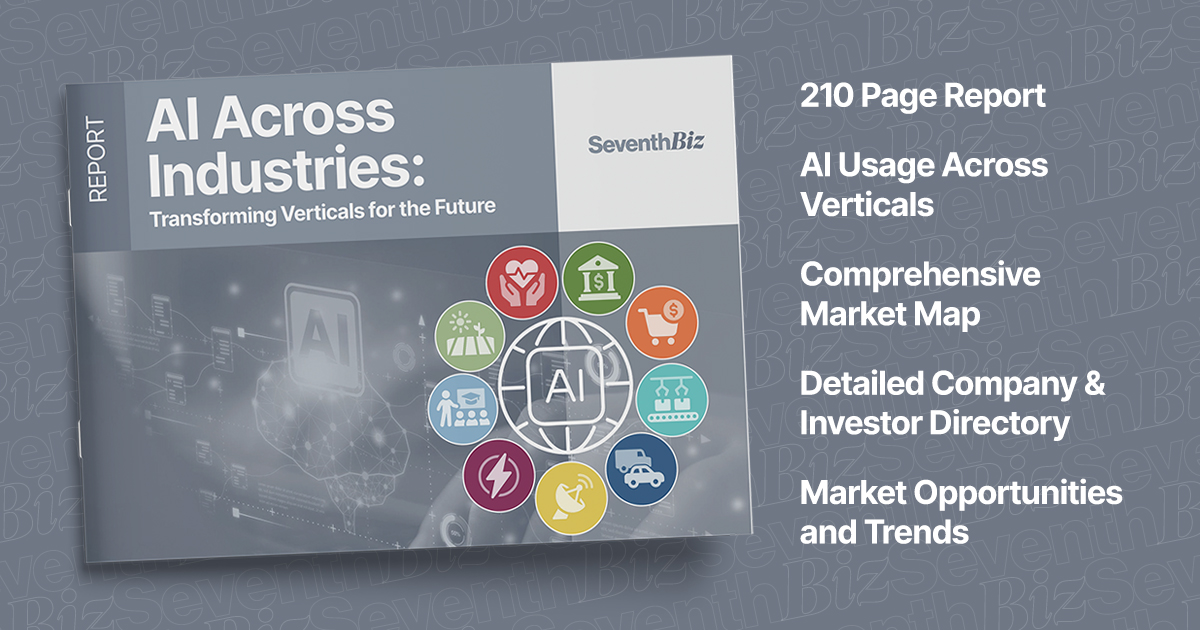

Available Now: Global Artificial Intelligence Market Analysis

We are excited to announce the release of our latest report, “AI Across Industries: Transforming Verticals for the Future.” This comprehensive analysis dives into the transformative impact of Artificial Intelligence (AI) across various sectors, offering invaluable insights for investors navigating the rapidly evolving landscape of generative Al industry trends and innovations across different industries.

Understanding the Transformative Artificial Intelligence Market

Artificial Intelligence is revolutionizing industry operations by simulating human intelligence through techniques such as natural language processing, computer vision, machine learning, and robotics. Fueled by advancements in computing power, the availability of big data, and innovative algorithms, AI has become a cornerstone of global business, driving unprecedented innovation, efficiency, and transformation. Investors are encouraged to explore the myriad opportunities AI investments offer in shaping the future of various industries.

The global AI market has been experiencing robust growth, with the market size expected to reach several hundred billion dollars by the end of the decade. Factors driving this growth include increased investment in AI research and development, growing demand for automation and efficiency across industries, advancements in deep learning, and the proliferation of AI-powered applications and services.

The global AI market was valued at approximately $356 billion in 2023. The market is projected to grow at a CAGR of 28.4% reaching $2,042.5 billion by 2030. This includes revenues from software, hardware, and services related to AI technologies.

Total Addressable Market for AI is expansive and growing as AI applications penetrate various industries including healthcare, automotive, finance, and retail. Estimates for the TAM range widely, reaching into the trillions of dollars over the next decade as more sectors adopt AI solutions for various use cases.

What’s Inside the Report?

Market Size & Growth: Explore the exponential growth of the AI market, backed by data and projections that highlight its expanding footprint across various industries.

Key Players: Get to know the major players leading the AI revolution, from tech giants to innovative startups shaping the future of AI.

AI Across Verticals: Discover how AI is transforming operations and delivering new levels of efficiency and personalization in sectors like:

      • Healthcare
      • Finance and Banking
      • Retail
      • Manufacturing
      • Automotive
      • Telecommunications
      • Energy & Utilities
      • Education
      • Agriculture

Secure Your Competitive Advantage

For investors seeking strategic opportunities, “AI Across Industries: Transforming Verticals for the Future” offers valuable insights into a rapidly expanding sector with profound technological integration. This AI market report is your compass for navigating the complex landscape of AI-driven innovation across various industries, helping you identify high-growth opportunities and make informed investment decisions.

How Technology is Revolutionizing Sports Betting

In 2024, technology continues to reshape the sports betting industry, creating new possibilities and transforming user experiences. As mobile platforms, AI, and data analytics drive innovation, sports betting is no longer just about placing wagers—it’s about creating dynamic, personalized experiences that engage users on a deeper level. This blog explores the key sports gambling technology trends transforming the industry, from AI-powered platforms to mobile advancements and media partnerships.

Yearly Gross Gambling Revenue

The Tech-Driven Revolution: AI, Mobile Apps, and Real-Time Betting

Mobile technology has become the cornerstone of modern sports betting, offering users seamless, real-time access to odds and in-play betting features from any location. In 2024, mobile sports betting apps are at the forefront of user engagement, allowing bettors to interact with platforms instantly, creating a richer, more personalized experience.

AI in sports betting further revolutionizes the industry by powering real-time, dynamic odds that adjust as games unfold. Through AI algorithms, betting platforms can predict user behavior, create tailored promotions, and provide up-to-the-minute betting options. In-play betting—where users place wagers as the game progresses—rapidly becomes a dominant feature, transforming the user experience into a highly interactive event. These innovations are not only increasing user retention but are also opening up new revenue streams, making AI-powered platforms essential for continued growth.

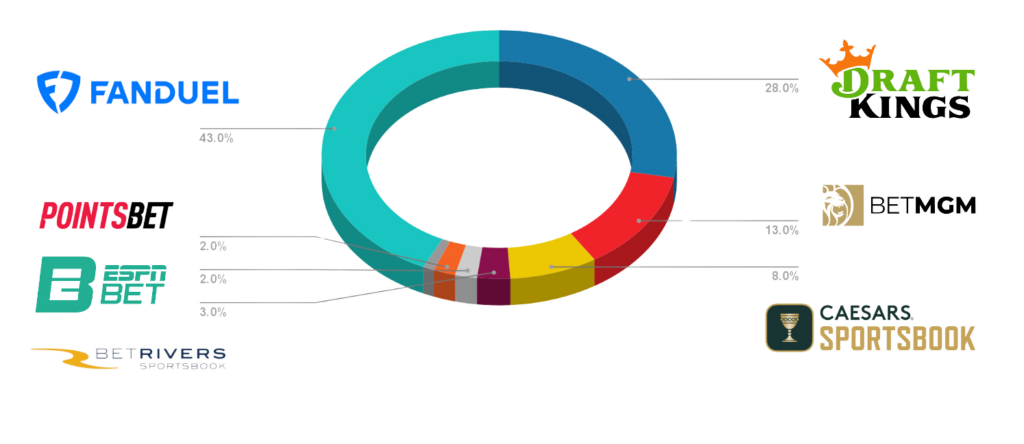
Bettors Preferred Applications

Media Partnerships and Entertainment Integration: A New Frontier

Technology is also transforming where and how users bet, particularly through partnerships between betting platforms and major media outlets. Real-time betting data is seamlessly integrated into sports broadcasts, allowing users to place live bets while watching games. These collaborations are creating more immersive viewing experiences, blending sports entertainment with betting in previously unimaginable ways.

Platforms like DraftKings and FanDuel have partnered with major broadcasters to deliver real-time betting options during live sports events. Media and sports betting convergence creates powerful new engagement tools, especially among younger, tech-savvy audiences. As these partnerships expand, the lines between sports betting and entertainment will continue to blur, offering companies the opportunity to innovate at the intersection of content and interactivity.
While partnerships with major broadcasters are creating immersive betting experiences, many gamblers are turning to alternative media sources like Reddit, Discord, and YouTube to gain insights and advice. These platforms have become thriving hubs where communities of bettors share real-time information, tips, and predictions, creating a new layer of interaction and community.

On platforms like Reddit, forums dedicated to specific sports or events allow users to exchange betting strategies. Meanwhile, Discord servers and YouTube channels have grown into cottage industries, where influencers and self-proclaimed experts sell betting advice and picks. This informal economy of betting tips has given rise to a new generation of content creators who monetize their expertise and build followings among tech-savvy bettors.

The shift toward alternative media diversifies where bettors get information and blurs the lines between social media interaction and sports betting strategy. As more users rely on these community-driven platforms for betting advice, betting companies can integrate these user-generated sources into their broader media strategies, further merging content, community, and betting.

Fintech and Blockchain: Reinventing the User Transaction Experience

As the sports betting market grows, so does the need for secure, fast, and reliable payment solutions. Fintech innovations such as mobile wallets, digital currencies, and blockchain technology are becoming critical components of the sports betting ecosystem. Blockchain, in particular, offers a new level of transparency and security, enabling tamper-proof transactions and ensuring compliance with regulatory standards.

The integration of blockchain technology allows platforms to safeguard user data and provide secure, seamless financial transactions. Whether users deposit funds, place bets, or withdraw winnings, blockchain ensures the integrity of each transaction.

Data Analytics: Deepening User Engagement

Data analytics is changing the sports betting industry by reimagining how sports books understand user behavior and deliver personalized experiences. The ability to gather and analyze vast amounts of data from mobile apps, social media, and betting patterns enables companies to optimize their platforms and refine their offerings. As a result, data-driven decisions are shaping the future of sports betting by improving user engagement, predicting trends, and enhancing product features.

Data analytics allows platforms to customize betting suggestions and promotions based on individual user preferences and behavior.

By analyzing historical betting data, platforms can forecast which games or events will drive the most user engagement and activity.

Data insights help platforms identify which features or promotions are most effective, allowing them to refine their offerings and boost retention.

Platforms use data from user interactions to create more targeted marketing campaigns that resonate with specific audience segments.

Tracking User Behavior: Analytics tools provide real-time insights into how users navigate the platform, helping companies optimize the overall user experience.

eSports and Virtual Sports: The New Betting Frontier

While traditional sports betting remains a dominant force, esports and virtual sports are quickly emerging as key players in the industry. eSports, in particular, is attracting a global audience, with platforms offering real-time betting on major titles such as “League of Legends” and “Counter-Strike.” AI-powered systems are helping to generate dynamic odds for these events, making eSports betting more interactive and accessible.

Gamers Worldwide
0

Virtual Sports

At the same time, virtual sports—AI-driven simulations of traditional sports—are becoming a popular alternative for users, offering continuous betting opportunities around the clock. Based on historical data, these virtual events allow for betting even when real-world sports are off-season or between games, opening up new revenue streams for platforms.
Expanding into esports and virtual sports presents an exciting opportunity to capture new audiences and diversify product offerings.

Looking to gain a competitive edge in the sports betting industry?

Purchase our Sports Betting Market Report 2024 and gain exclusive access to:

  • Comprehensive analysis of the latest tech advancements in sports betting.
  • Competitive breakdowns of the top innovative platforms shaping the future.
  • Detailed profiles of how AI-driven platforms enhance user engagement.
  • Key insights into emerging trends like esports and virtual sports.
  • Expert analysis of how fintech and blockchain are revolutionizing the industry.

Don’t miss your chance to stay at the forefront of sports betting innovation. Get the full report today and equip yourself with the knowledge to drive technological leadership in this rapidly evolving market.

2024 Sports Betting Statistics Breakdown

Since the 2018 repealing of PAPSA, sports gambling revenue has seen explosive growth

Early Gross Gambling Revenue

From 2018 to 2023 Gross Gambling Revenue has increased from $400 million to $11 Billion respectively with expectations to grow even more in 2024.

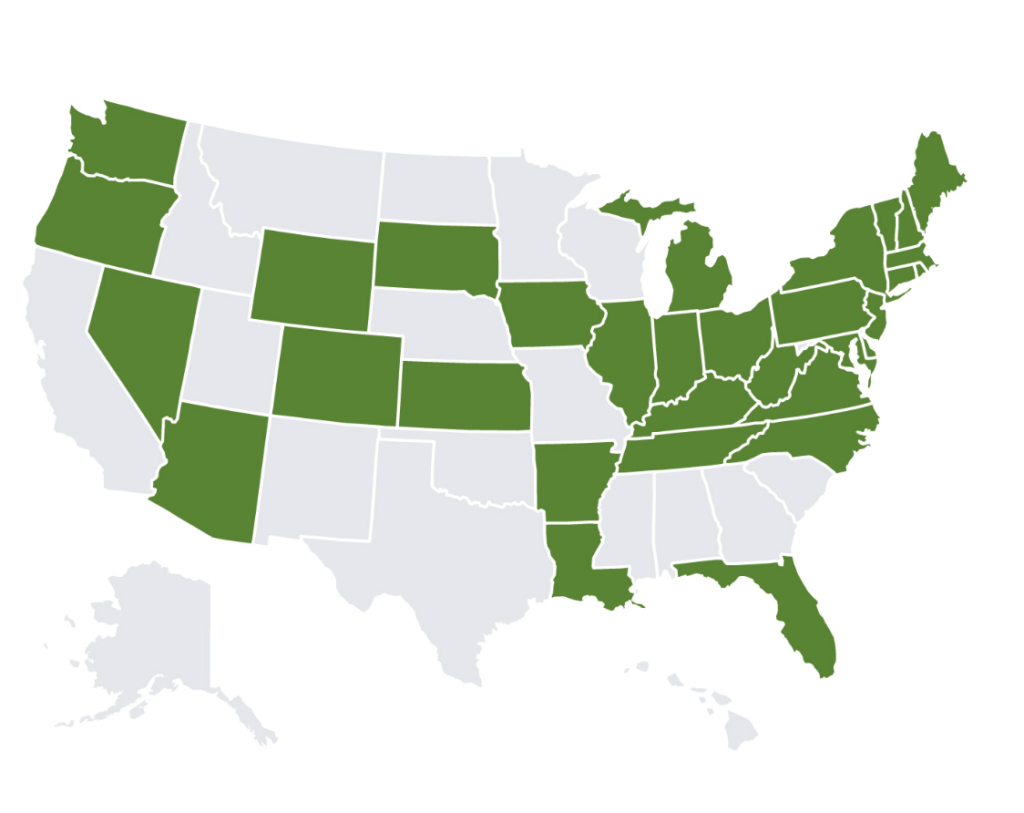
Fueled by expanding legalization

2030 Predicted Gambling Revenue
$ 0 Billion

1 in 5 Americans have placed a sports bet in the last 12 Months

The Role of Entertainment, Media Partnerships, and Social Media in Sports Betting

The growth of sports betting isn’t happening in isolation. The integration of entertainment, media, and social media plays a massive role in expanding this industry. Partnerships between sports betting platforms and media companies, influencers, and even sports leagues are becoming a driving force behind user acquisition and retention.

Network Partnerships

League Partnerships

Influencer Partnerships

How Technology is reshaping the Betting Landscape

Real-Time Engagement: Mobile technology supports in-play betting by providing instant updates and allowing users to react to live game events.
Seamless Access: Mobile apps enable users to place bets from anywhere, making sports betting highly accessible and expanding the user base.
User-Friendly Design: Mobile platforms prioritize easy navigation, improving user experience and increasing overall engagement.

Attracting Younger Audiences: eSports betting appeals to younger, tech-savvy demographics, diversifying the traditional sports betting market.
Real-Time In-Game Betting: Bettors can wager on specific in-game events, with real-time data driving dynamic odds throughout the match.
Continuous Engagement: Esports offers global, 24/7 betting opportunities, providing constant interaction for users across time zones.

Dynamic Odds: AI-driven platforms generate real-time odds that adjust as games progress, creating more accurate and engaging betting opportunities.
Personalization: AI analyzes user behavior to deliver personalized betting suggestions and promotions, enhancing user satisfaction and retention.
Security: AI detects suspicious activity in real time, helping to ensure compliance and maintain trust in betting platforms.
More Betting Opportunities: AI powers virtual sports and simulated reality leagues, generating continuous, real-time events allowing users to place bets even when live sports are unavailable.

Looking to gain a competitive edge in the sports betting industry?

Purchase our Sports Betting Market Report 2024 and gain exclusive access to:

  • Comprehensive market analysis with detailed growth and revenue projections.
  • Competitive breakdowns of the top platforms shaping the future of sports gambling.
  • Profiles of key platforms driving user engagement and innovation.
  • Major players and recent investments in Sports Betting.
  • Expert analysis of emerging technologies and their investment potential

Don’t miss your chance to stay at the forefront of this emerging industry. Purchase our full market research report today and give yourself the insight to confidently invest in the sports betting market.

Available Now: Online Sports Betting Market Report

Since the landmark Supreme Court decision in 2018 to repeal the Professional and Amateur Sports Protection Act (PASPA), the online sports betting (OSB) market in the United States has undergone an evolution. This pivotal ruling has catalyzed a rapid expansion, propelling the market into a period of growth and opportunity. With more states moving toward legalization and regulation, the industry is experiencing a surge in consumer engagement, technological innovation, and economic impact. The research in our Online Sports Betting Market Report serves as a crucial tool, delivering in-depth analysis and forecasts, and helping you identify high-growth opportunities and mitigate risks.

What’s Inside Our New Online Sports Betting Report?

Our latest report offers a comprehensive analysis of the current landscape of sports betting in the U.S., providing valuable insights for stakeholders, investors, and enthusiasts alike. We delve into key market drivers, regulatory developments, key competitors, and future trends that are shaping the industry’s trajectory. Whether you’re looking to understand the impact of new state regulations or the role of technology in enhancing the betting experience, our comprehensive market research report covers it all.

Key Takeaways:

  • Regulatory Developments: Understand the current legal landscape, the pace of state-by-state legalization, and the implications for operators and consumers.
  • Market Drivers: Explore what’s fueling the market’s growth, from consumer preferences and technological advancements to new business models and partnerships.
  • Major Players: Get to know the leading companies in the OSB market, the latest acquisitions, and their strategies to capture market share.
  • Future Trends: Gain insights into what’s next for online sports betting, including opportunities and challenges that could define the industry’s future.

Who Should Read This Report?

This report is essential for anyone looking to gain a deeper understanding of the online sports betting market in the U.S., including:

  • Investors seeking growth opportunities in a burgeoning market.
  • Operators navigating the evolving regulatory landscape.
  • Tech innovators exploring new applications in sports betting.
  • Sports enthusiasts who want to stay informed about how their favorite pastime is evolving.

Stay Ahead of the Game

The online sports betting market is evolving rapidly, and staying ahead of the trends is crucial. Don’t miss out on this comprehensive resource designed to help you navigate and thrive in this dynamic industry.

Download the full report today and gain a competitive edge in the fast-paced world of online sports betting.

Knowing When to Switch Your Electronic Health Records System

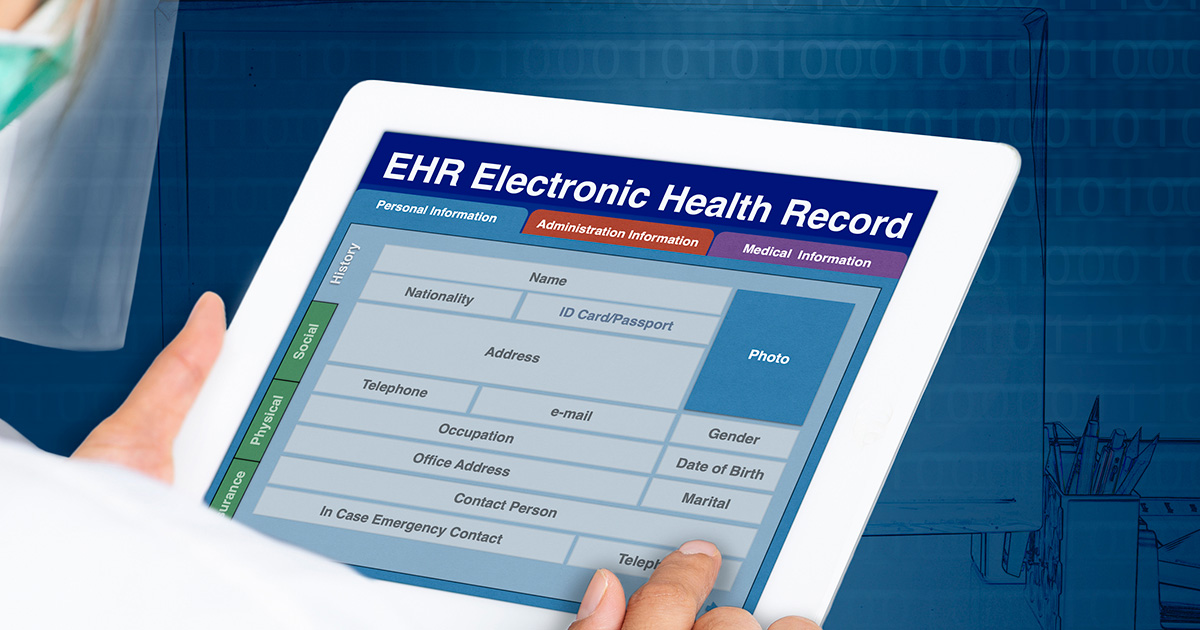
In today’s rapidly evolving healthcare landscape, Electronic Health Records (EHRs) play a crucial role in managing patient information and streamlining healthcare operations. However, with technological advancements and changing organizational needs, there comes a time when healthcare providers must consider adding one for the first time or switching to a different EHR system. There is no ‘one-size-fits-all’ system that adequately caters to the varied requirements of different healthcare practices, and selecting the best path forward can be daunting. This blog post delves into the functions of EHRs, the impacts of switching systems, and key questions to ask before making the switch.

The Function of Electronic Health Records

EHRs are vital components of Healthcare IT. In a 2022 qualitative study focusing on clinicians’ lived experiences, the interview results align with previous literature regarding how EHR enhances the quality of care, particularly when it comes to features that assist with clinical activities and information exchange. EHR systems can span a wide array of functions:

Contain Patient Information: EHRs store extensive details about a patient’s medical history, including diagnoses, medications, treatment plans, immunization dates, allergies, radiology images, and lab results.

Automate and Streamline Provider Workflow: EHRs improve operational efficiency by automating tasks such as appointment bookings, reminders, rescheduling, financial reporting, billing, and payments.

Create and Manage Health Information: EHRs facilitate the creation and management of health information, improving care quality and patient engagement through online portals with secure messaging and telehealth services.

Access to Evidence-Based Tools: EHRs provide access to tools that aid providers in making informed decisions about patient care, enhancing clinical performance.

Share Information with Other Healthcare Providers and Organizations: EHRs can support the seamless sharing of information among various healthcare entities, leading to better care coordination and health information exchange.

The Greater Implications of Switching Systems

Switching EHR systems is a significant undertaking for any healthcare organization. This change holds the opportunity for huge benefits, but it can also come with several challenges and impacts to consider:

Technological Advancements

Hospitals may consider switching to a different EHR system to take advantage of technological advancements, such as improved features, interoperability—the secure sharing and integration of healthcare data with other providers—and data management capabilities.

For example, the Apple Watch and Fitbit’s wearable devices are exploring partnerships and integrations with EHR systems to enable seamless data exchange and real-time monitoring.

Financial Impacts

The cost of switching, including the total cost of ownership, maintenance, training, and potential return on investment, plays a crucial role in the decision. Industry investment trends can play a significant part in this overall cost and influence the timing around making this switch.

Clinical Performance

EHR systems can influence clinical performance, including care processes and patient outcomes, through improved EHR software features and healthcare data analytics.

User Resistance and Training

Overcoming staff resistance to training and managing workflow disruptions are common issues during an EHR switch, emphasizing the need for effective EHR implementation strategies. Comprehensive training and EHR usability can make or break the transition process for a team of healthcare professionals.

Patient Satisfaction

The effect of a new EHR system on patient experience and satisfaction is another critical consideration, particularly with the rise of mobile health applications and telemedicine technology.

Data Transfer and Migration

Ensuring data integrity and managing the expenses associated with transferring patient data is a necessary but time-consuming challenge teams must be prepared to tackle.

Patient Safety and Data Integrity

Limited access to legacy records during the transition can threaten patient safety, making data integrity during migration a critical priority and concern.

Questions to Ask Yourself Before Switching EHR Systems

Before making the decision to switch EHR systems, consider the following questions:

  1. What are the main reasons for considering a switch?
  2. How will the new system improve patient care and satisfaction?
  3. What are the financial implications of the switch?
  4. How will the transition impact clinical performance?
  5. What is the plan for data migration and ensuring data integrity?
  6. How will staff be trained, and what support will they need?
  7. What are the potential risks and challenges, and how can they be mitigated?

Stay Ahead and Informed with EHR Trends

Switching EHR systems is a complex decision that requires careful consideration of various factors, including technological advancements, financial impacts, and patient satisfaction. By asking the right questions and planning meticulously, healthcare organizations can navigate the transition efficiently and effectively.

To learn more about these recent technological advances and why this next generation of EHR systems is poised to offer even more remarkable capabilities, read our post, Embracing the Next-Generation Trends in Electronic Health Records.

Interested in understanding the latest insights into EHR investment trends? Learn more about digital health innovation financing and venture-backed EHR platforms that enhance patient care and operational efficiency by purchasing our full market research report, Electronic Health Records Market 2024.

Navigating Electronic Health Record Investments: When to Switch Systems for Competitive Advantage

In today’s rapidly evolving healthcare landscape, Electronic Health Records (EHRs) play a crucial role in managing patient information and streamlining healthcare operations. When looking to capitalize on this dynamic sector, understanding when healthcare providers should switch EHR systems can reveal key opportunities for growth and innovation. This blog delves into the functions of EHRs, the impacts of switching systems, and critical considerations for investors in this space.

The Function of Electronic Health Records

EHRs are vital components of Healthcare IT. In a 2022 qualitative study focusing on clinicians’ lived experiences, the interview results align with previous literature regarding how EHR enhances the quality of care, particularly when it comes to features that assist with clinical activities and information exchange. EHR systems can span a wide array of functions:

Contain Patient Information: EHRs store extensive details about a patient’s medical history, including diagnoses, medications, treatment plans, immunization dates, allergies, radiology images, and lab results. This comprehensive data collection not only improves patient care but also offers valuable insights for data-driven decision-making, a crucial factor for investors looking at long-term gains.

Automate and Streamline Provider Workflow: EHRs improve operational efficiency by automating tasks such as appointment bookings, reminders, rescheduling, financial reporting, billing, and payments. For investors, this translates into reduced operational costs and increased productivity, thereby enhancing the overall value proposition of healthcare providers.

Create and Manage Health Information: EHRs facilitate the creation and management of health information, improving care quality and patient engagement through online portals with secure messaging and telehealth services. This not only elevates patient satisfaction but also opens up new revenue streams through innovative care models, appealing to investors focused on future growth.

Access to Evidence-Based Tools: EHRs provide access to tools that aid providers in making informed decisions about patient care, enhancing clinical performance. From an investment perspective, these capabilities can lead to better patient outcomes and lower healthcare costs, making EHR vendors with advanced analytics tools highly attractive.

Share Information with Other Healthcare Providers and Organizations: EHRs can support the seamless sharing of information among various healthcare entities, leading to better care coordination and health information exchange. This interoperability is becoming a key differentiator in the market, with platforms that excel in this area likely to attract substantial investor interest.

The Greater Implications of Switching Systems

Switching EHR systems is a significant undertaking for any healthcare organization. This change holds the opportunity for huge benefits, but it can also come with several challenges and impacts to consider for all parties:

Technological Advancements: Hospitals may consider switching to a different EHR system to take advantage of technological advancements, such as improved features, interoperability—the secure sharing and integration of healthcare data with other providers—and data management capabilities. For investors, platforms that lead in these areas represent high-growth opportunities, offering competitive advantages and positioning them as leaders in the evolving healthcare IT landscape.

Financial Impacts: The cost of switching, including the total cost of ownership, maintenance, training, and potential return on investment, plays a crucial role in the decision. Industry investment trends show that EHR systems with proven ROI, such as those reducing administrative costs by up to 30% and improving billing accuracy, are particularly attractive to venture capitalists. Moreover, the scalability and long-term savings offered by advanced EHR systems can significantly enhance their appeal.

Patient Satisfaction: The effect of a new EHR system on patient experience and satisfaction is another critical consideration, particularly with the rise of mobile health applications and telemedicine technology. EHR platforms that enhance patient engagement through user-friendly interfaces and robust telehealth integration are gaining traction. Investors should note that improved patient satisfaction often correlates with better patient retention and increased revenue streams for healthcare providers.

Clinical Performance: EHR systems can influence clinical performance, including care processes and patient outcomes, through improved EHR software features and healthcare data analytics. For instance, systems that incorporate predictive analytics and AI-driven decision support tools are transforming clinical workflows and outcomes. These innovations present lucrative opportunities for investors, with the potential to revolutionize healthcare delivery and efficiency.

User Resistance and Training: Overcoming staff resistance to training and managing workflow disruptions are common issues during an EHR switch, emphasizing the need for effective EHR implementation strategies. Comprehensive training and EHR usability can make or break the transition process for a team of healthcare professionals. Systems that offer intuitive user interfaces and extensive support services are more likely to be adopted smoothly, making them safer bets for investment.

Data Transfer and Migration: Ensuring data integrity and managing the expenses associated with transferring patient data is a necessary, but time-consuming challenge teams must be prepared to tackle. EHR systems that provide robust data migration tools and support can mitigate these challenges, offering a smoother transition and reducing the risk of data loss. Investors should prioritize vendors with a track record of successful migrations and strong data management capabilities.

Patient Safety and Data Integrity: Limited access to legacy records during the transition can threaten patient safety, making data integrity during migration a critical priority and concern. EHR systems that guarantee secure and accurate data transfer are essential for maintaining patient safety and continuity of care. Platforms that excel in this area are not only safer choices for healthcare providers but also more attractive investment opportunities due to their reliability and trustworthiness.

A Market Poised for Growth

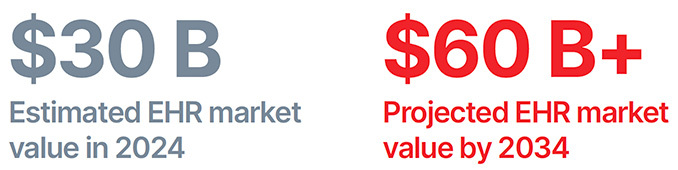
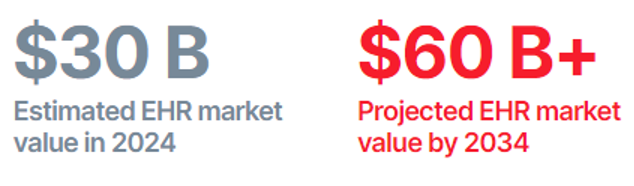
The EHR market has witnessed remarkable growth in recent years, underpinned by the rapid digitization of the healthcare industry and the increasing emphasis on data-driven patient care. The global EHR market is currently estimated to be valued at around $30 billion, and it is projected to continue its upward trajectory over the next decade, with some estimates showing a market value of over $60 billion by 2034. 

Stay Ahead and Informed with EHR Trends

Switching EHR systems is a complex decision that requires careful consideration of various factors, including technological advancements, financial impacts, and patient satisfaction. By asking the right questions and planning meticulously, healthcare organizations can navigate the transition efficiently and effectively.

To learn more about these recent technological advances and why this next generation of EHR systems is poised to offer even more remarkable capabilities, read our post, Embracing the Next-Generation Trends in Electronic Health Records.

Interested in understanding the latest insights into EHR investment trends? Purchase our comprehensive market research report, Electronic Health Records Market 2024, and gain exclusive access to:

  • Detailed analysis of market size and growth projections.
  • Key players and recent investments in Healthcare IT.
  • Insightful case studies highlighting successful EHR implementations and their ROI.
  • Expert opinions on emerging technologies and their investment potential.
  • In-depth profiles of leading EHR vendors and their competitive advantages.

Stay ahead of the curve and make informed investment decisions. Purchase our full market research report today and position yourself at the forefront of the EHR revolution.

Available Now: Electronic Health Record Market 2024 Trends and Forecasts

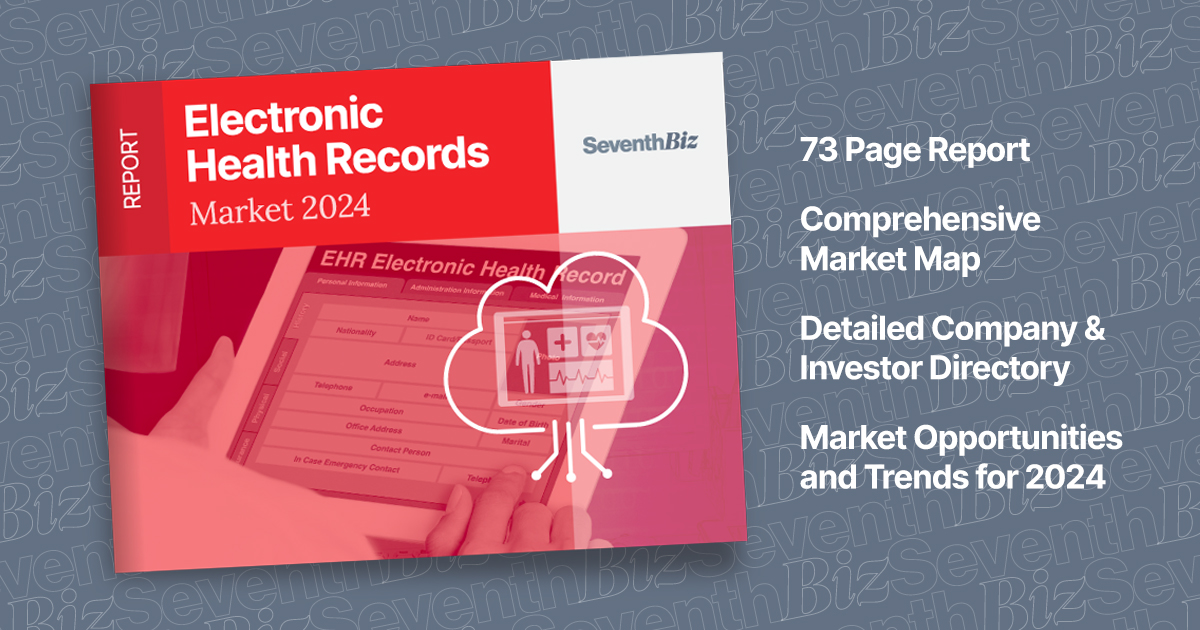
We are pleased to announce the release of our latest market analysis, Electronic Health Records Market 2024. This report provides a deep dive into the burgeoning field of Electronic Health Records (EHR), a pivotal technology that is transforming healthcare management and patient care across diverse settings.

In an industry where generic solutions are often inadequate, EHR systems emerge as bespoke tools designed to integrate and manage patient information across a continuum of care providers. This report not only discusses the current market valuation, which stands at an impressive $30 billion, but also forecasts a growth trajectory poised to exceed $60 billion by 2034. The comprehensive adoption across hospitals and private practices juxtaposed with untapped potential in specialized fields such as rehabilitation presents lucrative opportunities for discerning investors.

EHR Industry Projections Preview

Preview Featured Data from Report

Included in our analysis is a meticulously crafted infographic that distills complex adoption data across various specialties into a digestible visual format. This crucial data point underscores underpenetrated areas and burgeoning opportunities within specialized healthcare practices, guiding investment strategies in the EHR domain.

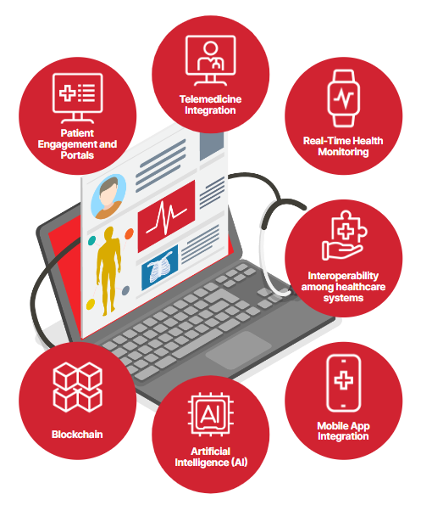
SeventhBiz Investigates Seven Technology Trends In EHR

These current trends in the EHR industry emphasize the importance of embracing technological advancements to enhance patient care, improve patient outcomes, and optimize healthcare delivery. By leveraging telemedicine, AI and Machine Learning, mobile applications, interoperability, and data analytics, healthcare practices can stay current with industry demands and deliver more efficient, effective, and patient-centered care.

EHR Data Preview

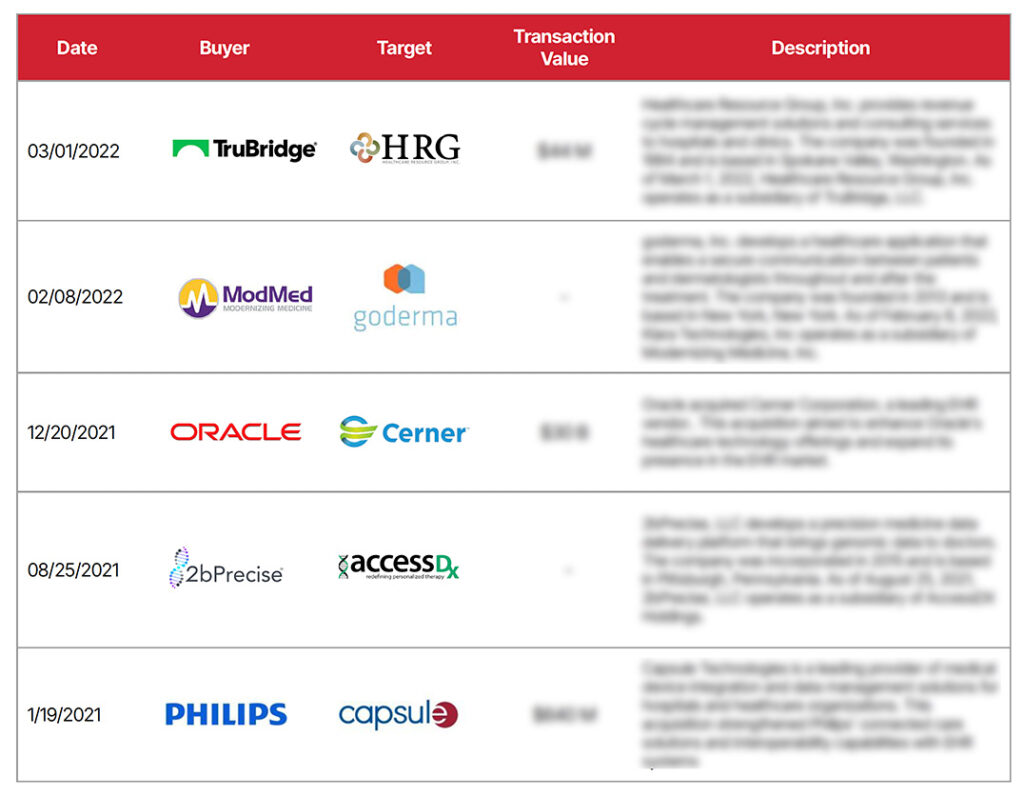
15 Major Acquisitions in EHR

SeventhBiz’s comprehensive analysis reveals the 15 significant acquisitions within the Electronic Health Record (EHR) sector over the last three years. It also analyzes what these acquisitions likely signify for the healthcare technology domain. Discover how these efforts could potentially reshape the competitive landscape of patient care delivery systems.

EHR Report Data Preview

Secure Your Competitive Advantage

For investors seeking strategic investment opportunities, Electronic Health Records Market 2024 offers valuable insights into a sector experiencing escalating growth and evolving technological integration. This report is your compass in navigating the complex landscape of healthcare technology investments.

Gain access to critical strategic insights by securing your copy of Electronic Health Records Market 2024. Visit our website or contact our sales team to obtain this indispensable tool for shaping your investment decisions in the healthcare technology sector.

Embracing the Next-Generation Trends in Electronic Health Records

Electronic Health Records (EHR) stand at the forefront of innovation in the ever-evolving healthcare landscape, significantly transforming the patient-provider experience in how medical information is stored, accessed, and utilized. As technology advances, the next generation of EHR systems is poised to offer even more remarkable capabilities, enhancing patient care and streamlining healthcare processes.

The focus is centered on safeguarding sensitive health information against cyber threats and ensuring that patients’ privacy and data integrity are not compromised. Simultaneously, there is a growing emphasis on tailoring EHR systems to be more responsive and attuned to the unique needs of patients, fostering a healthcare environment that is more inclusive, accessible, and patient-oriented. 

Interoperability Policies

A crucial aspect of modern EHR systems is interoperability – the ability of different healthcare systems and software to exchange, interpret, and use data cohesively. The future of EHR lies in developing robust interoperability policies that facilitate seamless data sharing across various platforms and ensure that this exchange adheres to stringent privacy and security standards.

Standardization in EHR Systems

Standardization is the bedrock of efficient EHR systems. It involves creating uniform formats for electronic health data, ensuring consistency and compatibility across different systems. Standardization streamlines data sharing, aids decision-making, and enhances patient care quality. The challenge lies in implementing these standards universally, considering the diverse range of healthcare providers and systems.

Robotic Process Automation (RPA)

Like integrating artificial intelligence (AI) in most industry technologies, Robotic Process Automation (RPA) is set to revolutionize EHR by automating routine tasks such as data entry, appointment scheduling, and billing. RPA enhances operational efficiency and reduces the likelihood of human error, leading to more accurate and reliable patient records.

In addition, healthcare workers can expect more AI integrations in EHR through predictive analytics, personalized medicine, and voice recognition software.

Telehealth Integration with EHR

The integration of telehealth with EHR systems is a trend that’s rapidly gaining momentum following the COVID-19 Pandemic. This amalgamation allows for a more holistic approach to patient care, enabling healthcare providers to access complete medical histories during virtual consultations, thus improving the quality of remote care and increasing the accessibility of healthcare.

Blockchain Technology

Blockchain technology offers a promising solution to enhance the security and integrity of EHR systems. By creating a decentralized and tamper-proof ledger for patient records, blockchain ensures data security and fosters patient trust. However, the implementation of blockchain in healthcare is still in its nascent stages and faces challenges like scalability and regulatory compliance.

5G, 6G, and Big Data

The advent of 5G and the future potential of 6G are set to revolutionize EHR systems through faster and more reliable network connectivity. Coupled with big data analytics, these technologies can process vast amounts of health data, improving patient outcomes and more efficient healthcare services. Increased connectivity also supports the growth of Telehealth.

Navigating the Future of EHR

As we look toward the future, it’s clear that EHR systems are set to become more integrated, intelligent, and intuitive. These next-generation trends will not only enhance the efficiency of healthcare providers but also significantly improve the patient care experience. As technology continues to evolve, the possibilities for EHR systems are boundless, promising a future where healthcare is more connected, personalized, and accessible.

In the rapidly evolving world of healthcare technology, our upcoming market industry report promises to offer unparalleled insights into the current trends, challenges, and future opportunities within this critical sector. 

Don’t miss out on this opportunity to stay ahead of the curve. Sign up now to receive updates and be the first to access our comprehensive analysis upon release. The invaluable information our report provides could shape your next investment decision.

Explore Other Market Reports

ElderTech & ElderCare Market 2023 Report

This 76 page report contains information and market data about the growing ElderTech industry providing products and services to assist our aging population.

Point A to Point B: A Logistics Primer Market 2024

This 184 page report is a primer of the growing Logistics industry, providing an overview of the components essential to the movement of goods.

The State of EV Charging Market 2023 Report Cover

This 61 page report contains information and market data about the growing Electric Vehicle (EV) infrastructure ecosystem.

Previewing Key Market Industries for 2024 Investors

As we stand on the cusp of a new year, 2024 promises to be a year of dynamic shifts and groundbreaking developments. As market researchers, we have a few predictions for the key market industries that will shape the investment landscape in 2024. Our insights go beyond the surface, delving into the intricacies that define each sector’s potential and risks. For venture capitalists and astute investors seeking the next wave of profitable ventures, staying ahead of the curve is not just a strategy—it’s a necessity.

At SeventhBiz, we understand the pivotal role information plays in making informed investment decisions. Our market industry reports are designed to be indispensable tools for investors, providing comprehensive analyses, trends, and projections to guide your investment strategies. As we look ahead to 2024, join us in exploring the promising vistas that lie ahead in select industries, and discover how our reports can be your beacon in navigating the dynamic world of investments. The future of profitable investments awaits—let’s preview it together.

Markets to Watch in 2024

1. Smart Agriculture

In the fertile fields of innovation, Smart Agriculture stands as a beacon of technological transformation. This investment market encompasses a spectrum of technologies, from Fleet and Crop Management to Weather Monitoring. Embracing the digital frontier, Smart Agriculture revolutionizes farming practices and ensures sustainable, data-driven decisions. As the world grapples with the challenge of feeding a growing population and harvesting natural resources essential to daily life, investing in the future of agriculture is not just prudent—it’s visionary.

smart agriculture - digital agriculture technology

2. Electronic Health Records

Electronic Health Records Technology

In the age of information, healthcare undergoes a digital metamorphosis with Electronic Health Records (EHR). This investment market is at the nexus of technology and healthcare, streamlining patient information, enhancing medical decision-making, and fostering a more interconnected healthcare ecosystem. Investing in EHR is centered around creating a healthcare landscape where data transforms into better patient outcomes.

3. Cybersecurity

In the age of information, healthcare undergoes a digital metamorphosis with Electronic Health Records (EHR). This investment market is at the nexus of technology and healthcare, streamlining patient information, enhancing medical decision-making, and fostering a more interconnected healthcare ecosystem. Investing in EHR is centered around creating a healthcare landscape where data transforms into better patient outcomes.

Cyber Security

4. Future of Cities

The Future of Cities is not a distant concept—it’s a reality unfolding before our eyes. This investment market encompasses the realm of Smart Cities and smart municipal infrastructure, where technology converges with urban planning to create sustainable, efficient, and interconnected metropolises. As urbanization accelerates, investing in the Future of Cities is an investment in the very fabric of our communal existence. Be it smart energy solutions, intelligent transportation, or data-driven governance, the opportunities within this market are as vast as the cities it aims to redefine.

Charlotte North Carolina Drone Skyline Aerial

Some municipalities have already begun adapting smart infrastructure practices. Charlotte, North Carolina, has announced several smart city initiatives focused on sustainability. This includes a partnership with Microsoft Corporation to build a digital infrastructure that includes greater access to the public internet and traffic monitoring for reducing congestion.

5. Digital Twins

Digital Twins is emerging as a fascinating concept. It involves creating virtual replicas of physical objects or systems, allowing for real-time monitoring, analysis, and optimization. From manufacturing processes to urban planning, Digital Twins transcend industries, offering unprecedented insights and efficiencies. Venture capitalists looking to invest in cutting-edge technological advancement will find Digital Twins to be a realm where imagination meets reality.

Digital Twin Illustration

Tell Us Your Market Interests!

Your investment journey is as unique as your market interests. At SeventhBiz, we’re dedicated to delivering insights that resonate with you. Your input is our inspiration. Share your ideas for market research topics in 2024. Your suggestions shape our focus, ensuring that the insights you receive are not just relevant but essential for your investment journey.

Submit your topic suggestions today and empower your investments with the knowledge that truly matters to you.

Elevate Your Investments with Precision Insights

In the fast-paced world of investments, success is not just about seizing opportunities but foreseeing them. As investors gear up for the labyrinth of opportunities that 2024 presents, the beacon guiding their decisions must be unwavering—a beacon forged from the crucible of high-quality market research.

Why settle for guesses when you can have certainties? Our business research analysis goes beyond trends—it delves into the soul of market dynamics, giving you the foresight needed to navigate the unpredictable terrain of investments.

Looking for data on electric vehicles, senior healthcare technology, or logistics? Explore our comprehensive market research reports covering these topics. Dive into valuable data and insights—empowering you to make informed investment decisions. Browse our reports and secure yours today!

ElderTech & ElderCare Market 2023 Report

This 76 page report contains information and market data about the growing ElderTech industry providing products and services to assist our aging population.

Point A to Point B: A Logistics Primer Market 2024

This 184 page report is a primer of the growing Logistics industry, providing an overview of the components essential to the movement of goods.

The State of EV Charging Market 2023 Report Cover

This 61 page report contains information and market data about the growing Electric Vehicle (EV) infrastructure ecosystem.